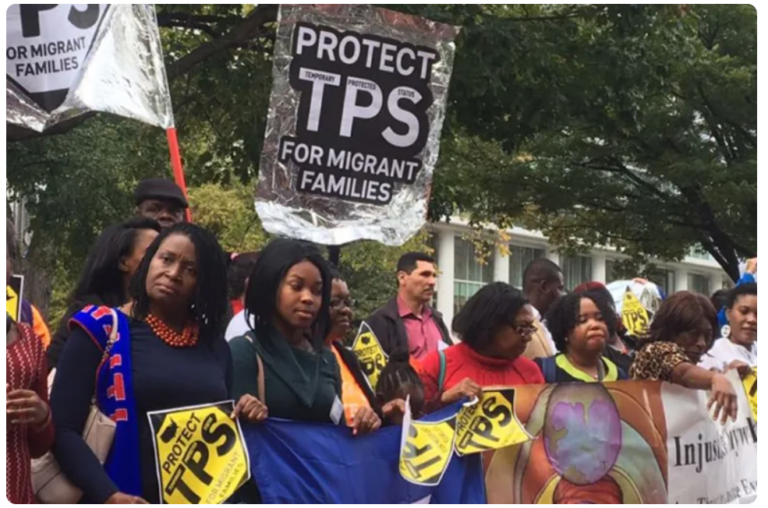
Defend the weak and the fatherless; uphold the cause of the poor and the oppressed. (Ps. 82:3)
In a world filled with abundance yet scarred by inequality, the message of Christ resounds with clarity: we are called to defend, uplift, and provide for the poor. To call ourselves Christians means more than wearing the name—it means living the life Christ lived, serving as He served, and loving as He loved.
Jesus Himself declared His mission in Luke 4:18:
“The Spirit of the Lord is upon me, because he has anointed me to proclaim good news to the poor. He has sent me to proclaim freedom for the prisoners and recovery of sight for the blind, to set the oppressed free.”
This verse alone should compel every believer to look beyond personal comfort and recognize the suffering of others. To neglect the poor is to deny the very heart of Christ.
Would Christ Be Pleased With Us?
If Jesus walked among us today, would He be pleased with the way we treat the underprivileged? Would He smile at how His followers live out His teachings—or would He grieve at the neglect, division, and selfishness that leave so many behind?
Matthew 25:35–36 provides a sobering reminder of what He expects:
“For I was hungry and you gave me something to eat, I was thirsty and you gave me something to drink, I was a stranger and you invited me in, I needed clothes and you clothed me, I was sick and you looked after me, I was in prison and you came to visit me.”
Here, Jesus reveals that the true measure of our faith is not found in empty words but in tangible actions—feeding, clothing, and caring for the poor and marginalized.
The Biblical Call to Care for the Poor
Scripture repeatedly emphasizes God’s heart for the oppressed:
- “Defend the weak and the fatherless; uphold the cause of the poor and the oppressed.” — Psalm 82:3
- “Whoever is kind to the poor lends to the Lord, and He will reward them for what they have done.” — Proverbs 19:17
- “If anyone has material possessions and sees a brother or sister in need but has no pity on them, how can the love of God be in that person?” — 1 John 3:17
These verses remind us that generosity is not optional—it is a command from God, and a reflection of His very nature.
The Role of Government in Defending the Poor
While individual Christians have a direct call to care for the needy, Scripture also affirms that governing authorities bear responsibility in promoting justice. Romans 13:4 calls government leaders “God’s servants for your good.” That good includes creating structures that defend and protect the vulnerable.
Responsibilities of Government Toward the Poor:
- Protect the Weak and Vulnerable — Ensuring laws and systems do not exploit the powerless (Isaiah 10:1–2).
- Provide for Basic Needs — Supporting policies that secure access to food, shelter, and healthcare (Deuteronomy 15:7–8).
- Promote Justice and Equality — Making sure that justice is not reserved for the wealthy, but available to all (Proverbs 31:8–9).
- Encourage Compassionate Governance — Leading with mercy rather than greed, prioritizing the common good (Micah 6:8).
- Create Opportunities — Providing education, jobs, and fair wages that enable people to rise out of poverty (Leviticus 25:35).
A Shared Responsibility
Caring for the poor is not simply a charitable option—it is both a Christian mandate and a civic duty. When we neglect the least among us, we dishonor Christ and undermine the moral fabric of our society.
As children of God, we must not turn a blind eye to suffering. As citizens, we must hold our governments accountable to their God-given responsibility to protect, provide, and promote justice for all.
Final Call
To be Christian is to live like Christ—compassionate, selfless, and unwavering in love for the least of these. The question remains: when Christ looks at our lives and our nation, will He find us faithful?
About The Author