Politics

The Fall of an Empire: How Donald Trump and Elon Musk Threaten America’s Democracy

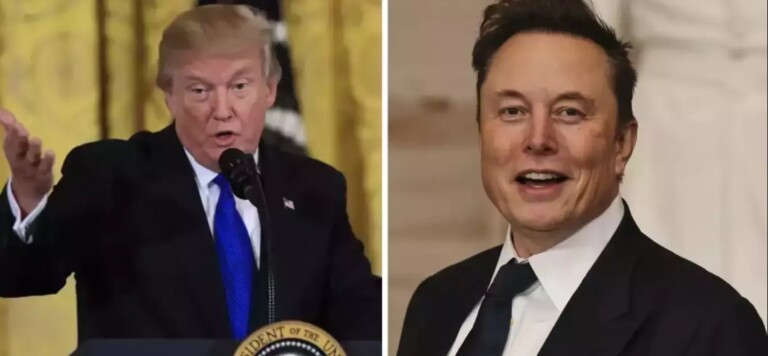
In the long and storied history of the United States, the nation has been a beacon of democracy and a model for the world. However, under the current regime led by former President Donald Trump and the growing influence of billionaire Elon Musk, America is teetering dangerously close to an authoritarian precipice. The values of freedom, justice, and equality that once defined the nation are now under attack by those who seek to consolidate power, dismantle institutions, and elevate their personal interests above the will of the people. This unprecedented situation not only threatens the future of America but also risks destabilizing global democratic systems that have long relied on the United States as a pillar of strength.

A Sharp Contrast: Trump’s Regime vs. Previous Presidents

For generations, U.S. presidents—regardless of party—have adhered to a fundamental belief in the peaceful transfer of power, respect for the Constitution, and the separation of powers that ensures no one branch can dominate the government. Even presidents with controversial legacies, such as Richard Nixon, ultimately bowed to the rule of law and the authority of the judicial system.

In stark contrast, Donald Trump has shown a blatant disregard for these democratic norms. His rhetoric, actions, and behavior since taking office—and even after leaving office—paint a disturbing picture of a leader who views the presidency not as a public service, but as a personal kingdom where loyalty to him supersedes loyalty to the Constitution. From attempting to overturn a legitimate election in 2020 to pardoning political allies involved in criminal activity, Trump’s actions have been a direct assault on the very foundations of democracy.

The Rise of Elon Musk: An Unchecked Influence

Elon Musk, the world’s richest man and CEO of multiple influential companies, has emerged as a shadow player in Trump’s pursuit of absolute power. Musk, who now controls platforms like X (formerly Twitter) and has extensive stakes in technology and defense industries, has used his wealth and influence to manipulate narratives, control information, and promote far-right ideologies. His unchecked power in both private industry and public discourse gives him an outsized role in shaping public perception and policy, effectively making him an unelected arm of the Trump regime.

Musk’s acquisition of Twitter/X has turned the platform into a breeding ground for misinformation, conspiracy theories, and right-wing propaganda. He has reinstated extremist voices and allowed anti-democratic rhetoric to thrive, fostering a dangerous environment where disinformation fuels division and distrust.

The Playbook of a Dictator: Recognizing the Signs

History offers chilling lessons on how dictators consolidate power. From Adolf Hitler to Vladimir Putin, the tactics of authoritarian regimes are eerily similar:

  1. Undermining Free Press: Trump’s relentless attacks on mainstream media outlets like CNN and MSNBC, labeling them as “enemies of the people,” mirrors the tactics of dictators who silence dissenting voices.
  2. Dismantling Government Institutions: Trump’s continuous assault on federal agencies, including the FBI, DOJ, and State Department, weakens the checks and balances meant to prevent abuses of power.
  3. Firing and Intimidating Opponents: The purge of career civil servants, federal judges, and FBI agents who refuse to bend to Trump’s will is a classic maneuver used by autocrats to consolidate power.
  4. Weaponizing Law Enforcement: By stacking the judiciary with loyalists and attacking independent judges, Trump is paving the way for a justice system that serves his interests rather than the rule of law.

The Danger of Isolation: Trump’s Hostility Towards Allies

Another hallmark of dictatorships is the erosion of international alliances. Trump’s admiration for strongmen like Vladimir Putin and Kim Jong-un stands in sharp contrast to his hostility toward America’s traditional allies. His public denigration of NATO, open support for Brexit, and weakening of transatlantic alliances have pushed America closer to isolationism—an outcome that emboldens autocrats around the world.

Trump’s reluctance to criticize Putin’s aggression in Ukraine, along with his refusal to fully support Ukraine’s defense against Russian invasion, raises serious concerns about his allegiances. His admiration for Putin’s iron grip over Russia and his desire to emulate that power structure in America pose an existential threat to U.S. democracy.

The Role of Congress: Can They Stop Trump?

Congress has always been the safeguard against executive overreach, but under Trump’s regime, many Republicans in Congress have chosen loyalty to Trump over loyalty to the Constitution. The far-right faction of the Republican Party has embraced Trump’s authoritarian tendencies, enabling his power grabs and rubber-stamping policies that undermine democracy. Figures like Jim Jordan, Marjorie Taylor Greene, and JD Vance have become cheerleaders for Trump’s agenda, often disregarding the principles of accountability and checks and balances.

Democrats in Congress have tried to resist, but their failure to stand firmly against Trump and Musk’s growing influence has left many Americans disillusioned. Despite town halls and protests across the country demanding action, Democrats have often been hesitant to take bold steps that would decisively challenge Trump’s growing authoritarianism.

Elon Musk: A Billionaire with Too Much Power

Musk’s involvement in government affairs, especially his role in managing satellite communications for Ukraine through Starlink, highlights how one billionaire can hold sway over global diplomacy and security. His unchecked power, coupled with Trump’s authoritarian ambitions, creates a dangerous cocktail where unelected individuals can dictate policies that impact millions.

Will America Fall into Dictatorship?

The question that haunts millions of Americans today is: Will the United States succumb to dictatorship? Trump’s actions and Musk’s unchecked power suggest that America is on a dangerous trajectory. Trump returns to power and continues to exert influence from the shadows, the dismantling of democratic institutions will accelerate.

The consequences of such a transformation would be catastrophic. Seniors will lose healthcare benefits, low-income families will face further economic hardship, and America’s standing as a global leader will crumble. Without a robust response from the judicial branch, Congress, and the American people, the fall of this great democratic experiment may be inevitable.

A Call to Action: America Must Stand Up

The time to act is now. America’s democracy cannot survive complacency. The judiciary, Congress, and civil society must rise to defend the principles of freedom and justice that have long defined the nation. Americans must mobilize, vote, and resist efforts to erode democratic norms. The fall of an empire is not inevitable—but it will require vigilance, courage, and a commitment to truth and justice to prevent America from sliding into dictatorship.

As the world watches, America stands at a crossroads. Will it choose democracy, or will it allow the dangerous ambitions of Trump and Musk to reshape it into an authoritarian state? The choice—and the fate of an empire—lies in the hands of the American people.

A Tale of Two Protests: January 6 Capitol Attack vs. Protests Against Tesla — Is Trump’s Comparison Justified?

In a stunning display of hypocrisy, former President Donald Trump recently labeled peaceful protests against Elon Musk and Tesla as acts of “terrorism.” This comparison draws a stark contrast between legitimate demonstrations against a powerful billionaire and the violent insurrection on January 6, 2021, where Trump loyalists attacked the U.S. Capitol in an attempt to overthrow the results of a democratic election. It is critical to dissect these events, analyze their severity, and educate the public on the vast difference between these incidents.

January 6, 2021: A Coordinated Assault on Democracy

On January 6, 2021, a violent mob of Trump supporters stormed the U.S. Capitol with the explicit intent of preventing the certification of Joe Biden’s electoral victory. The chaos that ensued was not a spontaneous protest—it was a coordinated attack fueled by months of misinformation and incendiary rhetoric from then-President Trump.

The Reality of January 6:

  • Loss of Life: Five people died as a result of the violence, including Capitol Police Officer Brian Sicknick, who succumbed to injuries sustained during the attack. Two other officers, Jeffrey Smith and Howard Liebengood, later died by suicide due to the trauma they endured that day.
  • Injuries and Trauma: Over 140 police officers were injured, many suffering permanent physical and emotional trauma. Rioters wielded weapons, used bear spray, and brutally assaulted officers defending the Capitol.
  • Damage to Property: The insurrection caused extensive property damage to the Capitol, a symbol of American democracy. Desks were smashed, windows broken, and offices vandalized, including that of House Speaker Nancy Pelosi.
  • Legal Fallout: More than 1,200 individuals have been charged for their roles in the insurrection, with several receiving lengthy prison sentences. Yet, despite overwhelming evidence of violence and conspiracy, Donald Trump has expressed a desire to pardon many of these offenders if re-elected—a direct affront to justice and the rule of law.

Elon Musk, Tesla, and the Protests: The Truth Behind the Anger

In contrast, the recent protests against Tesla and Elon Musk have been peaceful demonstrations aimed at highlighting the dangerous concentration of power and Musk’s increasing involvement in U.S. government affairs. Musk, the world’s richest man, has used his wealth and influence to align himself with Trump and Republican extremists, often undermining democratic principles.

Why Are People Protesting Musk?

  1. Interference in Government: Musk has gained unprecedented influence in government decision-making. He controls critical communication platforms such as X (formerly Twitter), which has been used to amplify extremist rhetoric.
  2. Layoffs and Corporate Misconduct: Musk’s acquisition of Twitter led to mass layoffs, disrupting livelihoods and destabilizing the platform’s moderation policies, allowing harmful misinformation to spread unchecked.
  3. National Security Concerns: Musk’s control over SpaceX’s Starlink, a satellite communication system, raises concerns over how a private entity has such a critical role in global communications and security.
  4. Union Busting and Worker Exploitation: Tesla has a long history of suppressing unionization efforts and mistreating its workforce, leading to ongoing protests from labor activists demanding fair treatment.

Protests vs. Insurrection: The Stark Difference

Despite Trump’s outrageous claims, the protests against Tesla bear no resemblance to the January 6 insurrection. The key differences lie in their purpose, methods, and outcomes:

  • Protests Against Tesla: Peaceful, non-violent demonstrations aimed at holding a billionaire accountable for his undue influence on government and society.
  • January 6 Attack: A violent, premeditated assault on the U.S. Capitol intended to overturn a democratic election through force.

Trump’s Hypocrisy: Protecting Billionaires, Pardoning Insurrectionists

Donald Trump’s attempt to paint peaceful protests as terrorism is not only a dangerous distortion of reality but a blatant effort to protect his billionaire ally, Elon Musk. It is no coincidence that Trump, who has pardoned violent insurrectionists and downplayed the severity of the January 6 attack, is now defending a billionaire who shares his authoritarian ambitions.

Pardoning Criminals, Undermining Justice:

  • Trump’s promise to pardon those convicted for their roles in the Capitol riot signals a disregard for the rule of law and emboldens future violence.
  • Individuals charged with seditious conspiracy, assaulting police officers, and plotting to disrupt the peaceful transfer of power are being glorified as “patriots” by Trump and his supporters.

What’s at Stake: America’s Democratic Future

The consequences of downplaying the January 6 insurrection while vilifying legitimate protests against powerful elites like Elon Musk cannot be overstated. If left unchecked, this narrative could normalize authoritarianism, embolden extremists, and dismantle the safeguards that protect American democracy.

What Can Americans Do?

  1. Stay Informed: Recognize misinformation and reject attempts to equate peaceful protests with acts of violence.
  2. Demand Accountability: Hold leaders accountable for undermining democracy and pardoning criminals who threaten the stability of the nation.
  3. Resist Authoritarianism: Speak out against efforts to silence dissent and consolidate power in the hands of the few.

Conclusion: Understanding the Real Threat

Comparing the January 6 insurrection to protests against Elon Musk is not only misleading but dangerous. One was an attack on democracy that resulted in death and destruction; the other is an exercise of First Amendment rights to protest corporate overreach and government collusion. As Trump and his allies continue to distort reality to consolidate power, it is more important than ever for Americans to stay vigilant and protect the fragile democracy that remains.

The choice is clear: Stand for democracy or allow it to be dismantled piece by piece.

The Actions of a Dictator: President Trump’s Assault on Democratic Institutions

In a series of alarming moves, President Donald Trump has intensified his assault on democratic institutions, echoing behaviors characteristic of authoritarian regimes. His actions include attacking major media outlets, dismantling Voice of America (VOA), reviving the Alien Enemies Act, threatening political opponents with imprisonment, defying judicial orders, and facing a rare rebuke from the Chief Justice of the United States.

Assault on the Free Press

President Trump escalated his longstanding feud with the media by targeting prominent news organizations. He called for the shutdown of MSNBC, labeling the network as unfit to broadcast, and questioned the broadcasting rights of other networks critical of his administration. In a late-night rant on his social media platform, Trump declared that MSNBC “shouldn’t even have a right to broadcast,” intensifying concerns about his commitment to the First Amendment.

Dismantling Voice of America

In a move that stunned journalists and free press advocates worldwide, President Trump signed an executive order dismantling the U.S. Agency for Global Media (USAGM), effectively silencing Voice of America (VOA). Founded in 1942, VOA has served as a beacon of unbiased news and American values, broadcasting in nearly 50 languages to an estimated weekly global audience of over 354 million people. The shutdown has led to over 1,000 employees being placed on administrative leave, with broadcasts going silent in regions like Asia and the Middle East. Critics argue that this action hampers the United States’ ability to counter foreign propaganda and support press freedom globally.

Revival of the Alien Enemies Act

President Trump has also reinstated the Alien Enemies Act of 1798, a controversial law granting the executive branch expansive powers during times of war or national emergency. This revival raises concerns about potential abuses of power, particularly when used to target political adversaries or suppress dissent. Historically, such measures have been criticized for infringing on civil liberties and democratic principles.

Threats Against Political Opponents

The President’s rhetoric has grown increasingly hostile toward political opponents. He has publicly threatened to imprison adversaries, reminiscent of tactics employed by authoritarian leaders to eliminate opposition. Such threats undermine the democratic process and instill fear, discouraging legitimate political discourse and participation.

Defiance of Judicial Orders

In a blatant disregard for the rule of law, President Trump defied a federal judge’s order to halt certain deportations. This defiance not only challenges the judiciary’s authority but also sets a dangerous precedent for the executive branch to operate without checks and balances. The separation of powers is a cornerstone of American democracy, and undermining it threatens the very fabric of the nation’s governance.

Rebuke from Chief Justice John Roberts

In an unprecedented move, Chief Justice John Roberts publicly rebuked President Trump for his attacks on the judiciary. After Trump called for the impeachment of U.S. District Judge James Boasberg, who had issued a temporary restraining order halting deportations under the Alien Enemies Act, Roberts emphasized that impeachment is not an appropriate response to judicial decisions. He stated, “For more than two centuries, it has been established that impeachment is not an appropriate response to disagreement concerning a judicial decision.” This rare public statement from the Chief Justice underscores the gravity of the President’s actions and the importance of maintaining judicial independence.

The Guardian

Echoes of Authoritarianism

These recent actions align with behaviors typical of dictatorships, where leaders suppress free speech, dismantle independent media, target political opponents, and disregard judicial authority. Such conduct erodes democratic institutions and paves the way for unchecked power. It is imperative to recognize these warning signs and advocate for the preservation of democratic norms and the rule of law.

Conclusion

President Trump’s recent actions represent a concerning shift toward authoritarianism. By attacking the free press, dismantling VOA, reviving the Alien Enemies Act, threatening political opponents, defying judicial orders, and facing rebuke from the Chief Justice, he undermines the democratic principles upon which the United States was founded. It is crucial for citizens and leaders alike to remain vigilant in defending democracy and holding those in power accountable.

Chief Justice John Roberts Rebukes President Trump’s Attack on Federal Judge

The Guardian

Chief justice rebukes Trump for call to impeach judge hearing deportation case

Today

Chief justice rebukes Trump for call to impeach judge hearing deportation case

People.comDonald Trump Rebuked by Conservative Supreme Court Justice John Roberts in Rare StatementTodayElHuffPostEl presidente del Supremo de EEUU responde a Trump por sus ataques contra un juez federalToday

Favicon

Sources

Senate Democrats’ Compromise: A Betrayal of American Trust Amid National Turmoil

In a move that has left many Americans disillusioned, Senate Democrats recently joined Republicans to pass a stopgap funding bill, averting a government shutdown but igniting debates about leadership and representation. This decision, spearheaded by Senate Minority Leader Chuck Schumer, has been perceived by many as a capitulation that undermines the very constituents Democrats claim to champion.

Schumer’s Leadership Under Scrutiny

Chuck Schumer’s abrupt shift to support the Republican-led funding measure has drawn sharp criticism. Initially opposing the bill, Schumer’s reversal has been labeled as a failure in steadfast leadership, raising concerns about the Democratic Party’s commitment to its principles. This wavering stance not only confuses supporters but also weakens the party’s negotiating power in future legislative battles.

Disconnect Between Democrats and Public Sentiment

The timing of this compromise is particularly troubling, given the widespread protests against President Donald Trump and his advisor, Elon Musk. The 50501 movement, symbolizing “50 protests, 50 states, one day,” has seen thousands rallying nationwide, expressing dissatisfaction with the current administration’s policies and the perceived overreach of figures like Musk. Despite this clear display of public dissent, Democrats have seemingly ignored these voices, opting instead for political expediency over genuine representation.

Economic Strain on Vulnerable Populations

The repercussions of this legislative decision extend beyond political optics. Seniors, low-income families, and individuals with disabilities are bearing the brunt of policy decisions that prioritize defense spending over essential social services. With healthcare access diminishing and basic necessities like food becoming increasingly unaffordable, the daily struggles of these vulnerable populations are intensifying.

Escalating Trade Tensions and Market Instability

Compounding domestic issues is President Trump’s escalating trade war with traditional allies, leading to significant market volatility. The stock market’s recent downturn is a testament to the economic uncertainty fostered by these aggressive trade policies. Instead of acting as a check on such measures, Senate Democrats have effectively provided the administration with a blank check, enabling further detrimental actions without accountability.

Conclusion: A Call for Authentic Representation

The recent actions of Senate Democrats highlight a troubling disconnect between elected officials and the constituents they serve. In times of national distress, the American people seek leaders who will stand firm in their defense, not those who capitulate for political convenience. As economic and social challenges mount, the demand for genuine representation and courageous leadership has never been more urgent.

Senate Democrats’ Support for GOP Funding Bill Raises Concerns

nypost.com

Senate Dems join with Republicans to pass government funding bill, avert a midnight shutdown

Today

Senate Dems join with Republicans to pass government funding bill, avert a midnight shutdown

wsj.comDemocrats Clear Way for GOP Funding Bill, Ending Threat of Government ShutdownToday

Sources

The Alarming Push to Immortalize Donald Trump: A Prelude to Authoritarianism?

Recent developments in American politics have raised concerns about the potential erosion of democratic principles. Proposals to feature former President Donald Trump’s likeness on currency, suggestions for constitutional amendments to allow a third presidential term, and actions that distance the United States from its traditional allies while embracing authoritarian figures are alarming indicators of a possible shift toward autocratic governance.

Proposals to Feature Trump on Currency

In early March 2025, Texas Congressman Brandon Gill introduced the “Golden Age Act of 2025,” aiming to replace Benjamin Franklin’s image on the $100 bill with that of Donald Trump. Gill cited Trump’s contributions to national security, trade, energy independence, and foreign policy as justification for this change. The bill mandates the Treasury Department to release the new design by the end of 2026, with all $100 bills featuring Trump’s face by 2028.

nypost.com

This proposal has sparked debate, as altering national symbols to honor living political figures is unprecedented and raises ethical questions about the politicization of national currency.

Advocacy for a Third Presidential Term

More concerning are efforts to amend the U.S. Constitution to permit a third presidential term for Trump. In February 2025, Tennessee Congressman Andy Ogles proposed such an amendment, arguing that the nation requires sustained bold leadership.

yahoo.com

This initiative directly challenges the 22nd Amendment, ratified in 1951, which limits presidents to two terms. The amendment was enacted to prevent the concentration of power and ensure regular leadership transitions, fundamental to democratic governance.

Embracing Authoritarian Leaders

During his presidency, Trump exhibited a pattern of distancing the United States from longstanding allies while expressing admiration for authoritarian leaders like Russia’s Vladimir Putin and North Korea’s Kim Jong-un. This shift in foreign policy has raised alarms about the U.S. potentially aligning more closely with autocratic regimes, undermining its commitment to promoting democracy globally.

The Role of Allies and the Balance of Power

A healthy democracy relies on a balance of power among the executive, legislative, and judicial branches. Recent actions, such as the dismissal of federal employees and the shutdown of government agencies, have disrupted this balance, concentrating power within the executive branch.

For instance, the influence of private individuals like Elon Musk in government operations, including decisions affecting national security, raises significant concerns. The lack of oversight and accountability in such arrangements threatens the foundational principles of democratic governance.

The Imperative to Uphold Democratic Principles

These developments underscore the necessity for vigilance in protecting democratic institutions. Congress, the judiciary, and civil society must actively uphold the Constitution, ensuring that no individual or group undermines the democratic processes that have long defined the United States.

In conclusion, while honoring leaders for their contributions is customary, it is crucial to approach such actions with caution to prevent the erosion of democratic norms. The recent proposals and shifts in policy not only challenge established traditions but also pose a risk to the democratic fabric of the nation. It is imperative for all citizens and leaders to remain vigilant in preserving the principles of democracy and preventing any drift toward authoritarianism.

Recent Developments in Honoring Former President Trump

expressnews.com

Put Trump on $100 bill; drop Benjamin Franklin, say Texas congressmen

4 days agonypost.comFreshman Texas rep wants to pay homage to Trump – by putting his face on $100 bill6 days agonypost.comTrump unveils $100 coins with his face on them after selling Bibles, sneakers167 days ago

Sources

Favicon
Favicon

Donald Trump the Flip-Flopper: How Inconsistent Policies and Tariffs Are Hurting the American Economy

President Donald Trump’s tenure has been marked by frequent policy reversals and unpredictable trade strategies, leading to economic uncertainty that adversely affects American consumers and businesses. Despite campaign promises to lower costs for essentials like groceries, housing, and healthcare, the administration’s actions have often resulted in the opposite, placing additional burdens on vulnerable populations.

Erratic Trade Policies and Economic Uncertainty

Trump’s approach to trade has been characterized by abrupt shifts, particularly concerning tariffs on key trading partners such as Mexico, Canada, and China. These sudden changes have created a climate of uncertainty, hindering business investment and disrupting supply chains. For instance, the imposition and subsequent suspension of tariffs on imports from Canada and Mexico have left businesses struggling to adapt to an unpredictable trade environment.

apnews.com

This unpredictability has had tangible effects on the economy. Businesses, uncertain about future costs and trade policies, have delayed or canceled investments, slowing economic growth. The manufacturing sector, in particular, has faced challenges due to increased costs of imported materials, leading to higher prices for consumers and reduced competitiveness for American products abroad.

Broken Promises on Reducing Consumer Prices

During his campaigns, Trump pledged to lower prices on essential goods and services. However, his policies, especially the implementation of tariffs, have contributed to rising costs. For example, tariffs on imported goods often result in higher prices for consumers, as businesses pass on the increased costs. This has led to inflationary pressures, affecting everything from food to housing.

marketwatch.com

The agricultural sector has also been impacted, with farmers facing retaliatory tariffs from other countries, reducing their export markets and income. This not only affects farmers but also leads to higher food prices domestically, further straining low- and middle-income families.

The Need for Stable and Predictable Economic Policies

The current economic challenges underscore the necessity for stable and predictable policies. Businesses require a reliable environment to plan and invest, which in turn drives economic growth and job creation. Consumers benefit from consistent policies that keep prices stable and affordable.

To achieve these goals, it is crucial to move away from erratic policy shifts and towards a more measured and strategic approach to trade and economic management. This includes engaging in thoughtful negotiations with trade partners, considering the long-term impacts of tariffs, and implementing policies that genuinely aim to reduce costs for consumers without sacrificing economic stability.

Conclusion

President Trump’s flip-flopping on policies and the implementation of tariffs have contributed to economic instability, adversely affecting the very individuals he promised to help. To foster a robust economy that benefits all Americans, there is a pressing need for consistent, well-considered policies that promote growth, stability, and affordability.

Trump’s Tariff Turnarounds Create Economic Uncertainty

businessinsider.com

Trump’s tariff turnarounds are key to his strategy — but it may not pay off in the long term, supply chain and conflict resolution scholars say

Today

Trump's tariff turnarounds are key to his strategy — but it may not pay off in the long term, supply chain and conflict resolution scholars say

apnews.comTrump’s erratic trade policies are baffling businesses, threatening investment and economic growthYesterdaymarketwatch.comAmericans elected Trump to lower prices – his policies could do the oppositeYesterday

Sources

Favicon
Favicon

Haiti’s Descent into Turmoil: A Call for Global Action

Since the assassination of President Jovenel Moïse on July 7, 2021, Haiti has faced escalating turmoil marked by political instability, rampant gang violence, and a deepening humanitarian crisis. The nation’s struggle to restore governance and security underscores an urgent need for comprehensive international support and decisive internal reforms.

Escalation of Violence Post-Assassination

The power vacuum following Moïse’s assassination led to a surge in gang activities. Armed groups expanded their control over significant portions of the capital, Port-au-Prince, and surrounding regions, perpetrating widespread violence, including murder, arson, and sexual assault. This escalation has resulted in the internal displacement of over a million Haitians, with many fleeing their homes to escape the brutality.

Leadership Challenges and Resignation of Prime Minister Ariel Henry

The interim government, led by Prime Minister Ariel Henry, struggled to assert authority and effectively address the escalating crisis. Henry’s tenure was marred by allegations of corruption and connections to suspects in President Moïse’s assassination, further eroding public trust. Under mounting pressure from both domestic protests and the international community, Henry announced his resignation on March 11, 2024, stating he would step down once a transitional presidential council was established. He formally resigned on April 24, 2024, after the council was installed. Henry’s departure highlighted the profound challenges facing Haiti’s leadership and the urgent need for effective governance.

apnews.com

Humanitarian Crisis and International Response

The pervasive violence has precipitated a dire humanitarian situation. Children are particularly vulnerable, facing risks of recruitment by armed groups, sexual violence, and disrupted access to education and food. UNICEF reports that approximately 1.2 million children are threatened by armed violence, with three million anticipated to require urgent humanitarian assistance in 2025.

In response to the escalating crisis, the international community has initiated measures to support Haiti. A United Nations-backed mission, comprising around 800 Kenyan police officers and additional forces from various countries, has been deployed to assist in combating gang violence. However, the mission has faced significant challenges, including the recent killing of a Kenyan officer by gangs, underscoring the perilous environment and the mission’s current limitations.

Path Forward: A Call for Concerted Action

The complexity and severity of Haiti’s crisis necessitate a multifaceted approach:

  • Strengthening Security Measures: Augmenting international support to bolster local law enforcement capabilities is crucial. This includes providing adequate equipment, training, and resources to effectively combat gang activities.
  • Political Stabilization: Establishing a legitimate and functional government through free and fair elections is imperative. The transitional council’s plan to hold general elections around November 15, 2025, is a pivotal step toward restoring democracy and public confidence.
  • Humanitarian Assistance: Addressing the immediate needs of displaced populations and vulnerable groups, particularly children, is essential. This involves ensuring access to food, healthcare, and education, alongside protection from violence and exploitation.
  • International Collaboration: A coordinated global effort is required to provide financial aid, technical assistance, and, where necessary, peacekeeping forces to stabilize the region and support sustainable development initiatives.

Conclusion

Haiti stands at a critical juncture, with its future contingent upon decisive actions from both its leaders and the international community. The escalating violence and humanitarian crisis demand immediate and sustained interventions to restore stability, protect vulnerable populations, and pave the way for a prosperous and democratic Haiti. It is a collective responsibility to stand in solidarity with the Haitian people and support their pursuit of peace and progress.

Haiti’s Ongoing Struggles: Political Turmoil and Humanitarian Crises

ft.com

Haiti seeks ‘urgent’ reinforcement of Kenya-led force to fight gangs

148 days agoreuters.comHaiti prison break leaves 12 dead as inmates go hungry199 days agoapnews.comHaiti’s new prime minister promises security to a country reeling from recent massacres81 days ago

Sources

Favicon

A Budget for the Few: House Republicans Prioritize Tax Cuts Over Vulnerable Americans

The recent budget passed by House Republicans has sparked significant debate due to its profound implications for various segments of American society. While it proposes substantial tax cuts favoring the wealthy, it simultaneously introduces deep reductions in essential social programs that support seniors, low-income families, individuals with disabilities, and those in assisted living facilities.

Impact on Vulnerable Populations

  • Seniors and Assisted Living Residents: The budget outlines significant cuts to Medicaid, a program that finances healthcare for approximately 80 million low-income and disabled Americans. These reductions could jeopardize coverage for millions, particularly affecting seniors who depend on Medicaid for nursing home care and other assisted living services. apnews.com
  • Low-Income Families and Individuals with Disabilities: The proposed budget includes deep cuts to the Supplemental Security Income (SSI) program, which provided income assistance to 7.5 million low-income seniors and disabled individuals in 2022. Converting SSI to a block grant and ending guaranteed cash aid could leave many without critical financial support. cbpp.org
  • Food Assistance Programs: Substantial reductions in the Supplemental Nutrition Assistance Program (SNAP) are also proposed, potentially affecting millions of low-income households. These cuts could exacerbate food insecurity and hardship nationwide. cbpp.org

Benefits to the Wealthy

The budget proposes $4.5 trillion in tax cuts, primarily benefiting high-income households. Extending expiring individual income and estate tax provisions for households with incomes in the top 5% (over $321,000) accounts for approximately $1.8 trillion of the total tax cuts through 2034.

cbpp.org

Promises Unfulfilled

During his presidential campaign, Donald Trump pledged to improve the economic circumstances of working families. However, the current budget proposal appears to prioritize tax cuts for the wealthy over the needs of vulnerable populations, contradicting those promises.

cbpp.org

Alternative Approaches

To genuinely support all Americans, particularly seniors and disadvantaged groups, alternative strategies could include:

  • Preserving and Strengthening Social Programs: Maintaining funding for Medicaid, SSI, and SNAP ensures that vulnerable populations continue to receive essential support.
  • Targeted Tax Reforms: Implementing tax policies that benefit middle and low-income families, rather than disproportionately favoring the wealthy, could promote economic equity.
  • Investments in Healthcare and Social Services: Allocating resources to improve healthcare infrastructure and social services can enhance the quality of life for all citizens, especially the most vulnerable.

A Call for Awareness

It is crucial for the public to recognize the potential consequences of the proposed budget. By understanding its impact on vulnerable populations and the distribution of benefits, citizens can engage in informed discussions and advocate for policies that promote equity and support for all members of society.

House Republican Budget Proposals and Their Impact on Vulnerable Populations

ctinsider.com

Proposed federal cuts to Medicaid, SNAP, CHIP could impact more than a million CT residents

Yesterdayapnews.comRepublicans once maligned Medicaid. Now some see a program too big to touchYesterdaytime.comRepublican Lawmaker Tells Trump He May Vote Against GOP Budget Bill Over Medicaid Cuts6 days ago

Sources

Favicon
Favicon

Showdown at the White House: A Diplomatic Embarrassment

In a recent and highly publicized Oval Office meeting, tensions escalated dramatically between U.S. President Donald Trump, Vice President J.D. Vance, and Ukrainian President Volodymyr Zelenskyy. The encounter, intended to strengthen diplomatic ties and discuss the ongoing conflict in Ukraine, devolved into a heated confrontation that has drawn international attention and concern.

The Heated Exchange

The meeting’s atmosphere turned contentious as President Trump and Vice President Vance confronted President Zelenskyy regarding Ukraine’s stance in the ongoing war and its diplomatic relations with Russia. The discussion quickly escalated, with sharp exchanges highlighting the deep-seated frustrations on both sides.

President Trump emphasized the substantial military aid provided by the United States to Ukraine, suggesting that without this support, Ukraine’s situation would be dire. He urged President Zelenskyy to consider a ceasefire to prevent further bloodshed, underscoring the need for gratitude from Ukraine for the U.S.’s assistance.

In response, President Zelenskyy questioned the efficacy of negotiating with Russian President Vladimir Putin, citing historical challenges and breaches of agreements by Russia. He expressed concerns that a ceasefire without concrete assurances could lead to further aggression from Russia, drawing parallels to past incidents where agreements were violated.

Vice President Vance interjected, criticizing President Zelenskyy for publicly airing disagreements and questioning his gratitude towards the United States. He emphasized the importance of acknowledging the support provided by the U.S. and urged a more diplomatic approach to resolving differences.

Origins of the Ukraine Conflict

The roots of the current conflict trace back to 2014 when Russia annexed Crimea, a move widely condemned by the international community. This act of aggression marked a significant escalation in tensions between Russia and Ukraine. Russian President Vladimir Putin has often framed Ukraine as an artificial state, using selective historical narratives to justify actions aimed at undermining Ukraine’s sovereignty. This perspective has been a driving force behind Russia’s continued interference in Ukrainian affairs.

openpress.digital.conncoll.edu

Putin’s Position and Breach of Agreements

President Putin’s actions have consistently challenged international norms and agreements. His justification for the invasion of Ukraine in 2022 was based on a distorted interpretation of history, aiming to delegitimize Ukraine’s statehood. This approach has led to widespread condemnation and has been viewed as a direct violation of international law and the sovereignty of nations.

graduateinstitute.ch

Trump’s Stance and Relations with Zelenskyy and Putin

President Trump’s foreign policy has been characterized by a complex relationship with both President Zelenskyy and President Putin. While the U.S. has provided substantial military aid to Ukraine under Trump’s administration, his calls for a rapid end to the war and emphasis on negotiating with Putin have raised questions about his support for Ukraine. This stance has led to tensions with President Zelenskyy, who remains skeptical of Russia’s commitment to any agreements.

newsmax.com

Zelenskyy’s Visit to Washington and U.S.-Ukraine Relations

President Zelenskyy’s visit to Washington was primarily aimed at securing continued support for Ukraine amidst the ongoing conflict. The recent confrontation in the Oval Office has cast a shadow over U.S.-Ukraine relations, raising concerns about the future of diplomatic ties and the stability of the region.

Conclusion

The Oval Office confrontation serves as a stark reminder of the complexities inherent in international diplomacy. As Ukraine continues to defend its sovereignty against external aggression, the role of global powers like the United States remains crucial. Navigating these relationships with mutual respect and a clear understanding of historical contexts is essential for achieving lasting peace and stability.

Tensions Escalate in Oval Office Meeting Between Trump and Zelenskyy

apnews.com

What they said: Trump, Zelenskyy and Vance’s heated argument in the Oval Office

Todaythetimes.co.ukTrump vs Zelensky shouting match was ‘great television’. Was that the point?Todaytheguardian.comUkraine ‘gambling with world war three’, Trump tells Zelenskyy in fiery meetingToday

Sources

Favicon
Favicon
Favicon

The Dictator’s Mindset: How to Recognize the Signs Before It’s Too Late

History has shown us that dictators do not rise to power overnight—they manipulate, deceive, and slowly erode democratic systems until they can rule unchallenged. Their mindset is marked by a thirst for absolute control, a disregard for human rights, and a refusal to accept opposition. Understanding the language and tactics they use is crucial to identifying the early warning signs of authoritarian rule.

The Dictator’s Mindset: Key Traits

  1. Absolute Control Over Power
    • Dictators do not share power. They view themselves as the ultimate authority and seek to weaken institutions that could challenge them.
    • Example: Joseph Stalin purged his own Communist Party members to eliminate any threats to his rule.
  2. Silencing the Press and Critics
    • Independent media is one of the first targets of a dictator. They label any criticism as “fake news” or “enemy propaganda.”
    • Example: Adolf Hitler took control of German newspapers, ensuring that only state-approved messages were published.
  3. Creating an ‘Enemy’ to Blame
    • Dictators often unite their followers by scapegoating a particular group—immigrants, minorities, political opponents, or foreign nations.
    • Example: Benito Mussolini blamed Italy’s struggles on foreigners and communists, using fear to justify authoritarian rule.
  4. Disregard for Laws and Institutions
    • Instead of following the law, dictators change it to suit their needs, removing limits on their power.
    • Example: Vladimir Putin altered the Russian constitution to extend his presidency indefinitely.
  5. Claiming to ‘Save’ the Nation
    • They present themselves as the only leader capable of “restoring order” or “making the country great again.”
    • Example: Hugo Chávez of Venezuela claimed he was fighting for the poor while consolidating power and silencing opponents.
  6. Demonizing the Opposition
    • Anyone who disagrees is labeled as a “traitor,” “enemy of the people,” or part of a conspiracy.
    • Example: Nicolás Maduro of Venezuela accused opposition leaders of being foreign agents to justify jailing them.
  7. Using Religion and Nationalism as Tools
    • Dictators often align themselves with religious leaders or nationalistic causes to gain unquestioned loyalty.
    • Example: Francisco Franco of Spain used Catholicism as a tool to justify his dictatorship.
  8. Rewriting History
    • They manipulate or erase history to paint themselves as heroes and previous leaders as villains.
    • Example: North Korea’s Kim dynasty rewrote history to claim divine rule over their people.
  9. Encouraging Political Violence
    • Dictators use violence or intimidation to suppress opposition, often deploying military forces against their own people.
    • Example: Bashar al-Assad of Syria ordered violent crackdowns on protests, leading to a devastating civil war.
  10. No Room for Negotiation—Only Force
  • Dictators do not negotiate in good faith. If they engage in talks, it’s often a ploy to gain time or resources.
  • Example: Saddam Hussein would engage in diplomatic talks while simultaneously preparing for military aggression.

Dictators Don’t Negotiate—They Take by Force

While democratic leaders use diplomacy to solve disputes, dictators operate differently. They see compromise as weakness and prefer to seize what they want through coercion or brute force.

  • Hitler didn’t negotiate; he invaded Poland and triggered World War II.
  • Stalin didn’t discuss policy differences; he executed or exiled his opponents.
  • Putin didn’t debate Ukraine’s independence; he launched a war.

How to Stop Dictators Before It’s Too Late

Recognizing these signs early can help prevent a democracy from sliding into authoritarianism. Citizens must:

  • Defend the free press against government control.
  • Vote and ensure leaders are held accountable.
  • Resist fear-mongering and scapegoating tactics.
  • Speak out against threats to democracy.
  • Protect institutions that keep power in check.

History warns us that dictators only stop when the people demand it. Staying informed and engaged is the best defense against tyranny.

PNFPB Install PWA using share icon

For IOS and IPAD browsers, Install PWA using add to home screen in ios safari browser or add to dock option in macos safari browser

New Report

Close