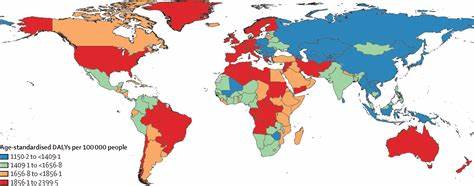
Introduction
Health concerns continue to rise globally, affecting millions of individuals and straining healthcare systems. In both developing and developed countries, various diseases and conditions pose significant threats. This article highlights major health issues worldwide, including in the United States, and provides precautionary and preventive measures along with the symptoms of each illness.
1. Cardiovascular Diseases (CVDs)
Signs & Symptoms:
- Chest pain or discomfort
- Shortness of breath
- Fatigue
- Dizziness or fainting
- Irregular heartbeat
Precaution & Prevention:
- Maintain a balanced diet low in saturated fats and cholesterol
- Engage in regular physical activity
- Avoid smoking and excessive alcohol consumption
- Manage stress effectively
- Monitor blood pressure and cholesterol levels regularly
2. Diabetes
Signs & Symptoms:
- Frequent urination
- Excessive thirst
- Unexplained weight loss
- Fatigue
- Slow healing wounds
Precaution & Prevention:
- Maintain a healthy diet with controlled sugar intake
- Exercise regularly
- Monitor blood sugar levels
- Maintain a healthy weight
- Avoid excessive consumption of processed foods
3. Cancer
Signs & Symptoms:
- Unexplained weight loss
- Persistent fatigue
- Changes in bowel or bladder habits
- Unusual bleeding or bruising
- Lumps or swelling in certain areas
Precaution & Prevention:
- Avoid tobacco use and exposure to harmful chemicals
- Follow a diet rich in fruits, vegetables, and whole grains
- Exercise regularly
- Undergo regular screenings and medical check-ups
- Limit alcohol consumption
4. Respiratory Diseases (COPD, Asthma, Pneumonia, and COVID-19)
Signs & Symptoms:
- Persistent cough
- Difficulty breathing
- Wheezing
- Chest tightness or pain
- Fever (in infections like pneumonia and COVID-19)
Precaution & Prevention:
- Avoid exposure to air pollution and smoking
- Maintain proper hygiene, including handwashing
- Get vaccinated (e.g., flu shots, COVID-19 vaccines, pneumonia vaccines)
- Manage underlying conditions properly
- Use masks in high-risk environments
5. Obesity and Related Conditions
Signs & Symptoms:
- Excessive weight gain
- Shortness of breath with minimal activity
- Joint pain
- Increased risk of diabetes and heart disease
- Low energy levels
Precaution & Prevention:
- Adopt a balanced and healthy diet
- Engage in daily physical activity
- Avoid excessive consumption of processed and fast foods
- Monitor BMI (Body Mass Index) regularly
- Get professional guidance for weight management
6. Mental Health Disorders (Depression, Anxiety, and PTSD)
Signs & Symptoms:
- Persistent sadness or mood swings
- Excessive worry or fear
- Difficulty concentrating
- Social withdrawal
- Changes in sleep or appetite
Precaution & Prevention:
- Seek professional counseling or therapy when needed
- Engage in stress-reducing activities (yoga, meditation, exercise)
- Maintain strong social connections
- Avoid excessive alcohol or drug use
- Ensure proper sleep and self-care habits
7. Infectious Diseases (Tuberculosis, Malaria, HIV/AIDS)
Signs & Symptoms:
- Fever and chills
- Night sweats
- Chronic fatigue
- Unexplained weight loss
- Frequent infections
Precaution & Prevention:
- Use protective measures like mosquito nets (for malaria prevention)
- Get vaccinated where applicable
- Practice safe sex to reduce the risk of HIV/AIDS
- Ensure proper hygiene and sanitation
- Seek early medical intervention when symptoms arise
8. Neurological Disorders (Alzheimer’s, Parkinson’s, Stroke)
Signs & Symptoms:
- Memory loss and confusion
- Difficulty in coordination and movement
- Slurred speech
- Sudden numbness in limbs
- Personality or mood changes
Precaution & Prevention:
- Maintain an active and socially engaged lifestyle
- Eat a brain-healthy diet rich in antioxidants and omega-3 fatty acids
- Stay mentally stimulated with reading, puzzles, and learning new skills
- Control risk factors such as high blood pressure and diabetes
- Exercise regularly
Conclusion
Health is a priority, and taking preventive measures can significantly reduce the risk of many diseases. By adopting a healthy lifestyle, staying informed about potential health risks, and seeking medical attention when necessary, individuals can protect themselves and contribute to a healthier world. Regular health screenings, vaccinations, and lifestyle changes remain the best defense against these global health challenges.
About The Author