News

You Say What? Joy Reid is Fired

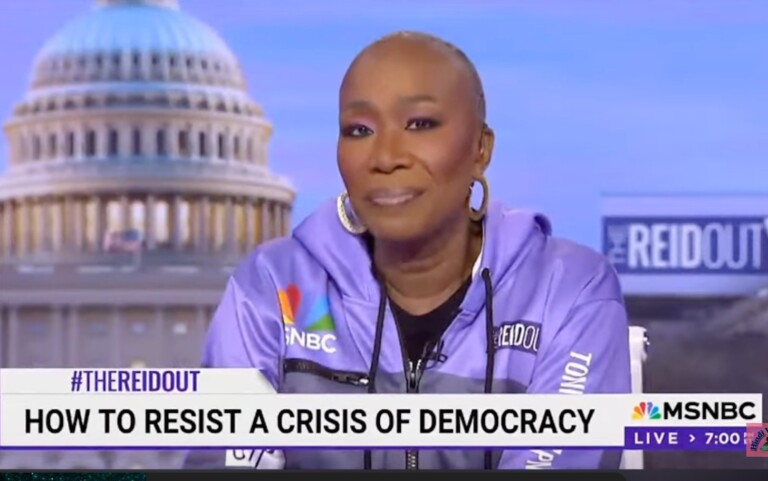
The recent cancellation of Joy Reid’s show, “The ReidOut,” by MSNBC has ignited a firestorm of debate and criticism, highlighting what many perceive as a misguided and detrimental decision by the network. Citing declining viewership as the primary reason, MSNBC’s move has been met with significant backlash from both media personalities and the public, raising questions about the network’s commitment to diverse voices and the true motivations behind such programming changes.

A Questionable Justification

MSNBC attributed the cancellation to a notable decline in ratings, with “The ReidOut” averaging 973,000 total viewers in February 2025, a 28% decrease from the previous year  . However, critics argue that this rationale is inconsistent, especially when juxtaposed with other programs experiencing similar or worse ratings yet remaining on air. For instance, “Morning Joe,” hosted by Joe Scarborough and Mika Brzezinski, has faced its own struggles with viewership, particularly following their controversial visit to Mar-a-Lago. Despite these challenges, the show continues to occupy its time slot, prompting accusations of double standards within the network’s programming decisions.

Support for Joy Reid

The decision to cancel Reid’s show has not only sparked criticism but also galvanized a wave of support from fellow journalists and media figures. Rachel Maddow, a prominent MSNBC anchor, publicly condemned the move, emphasizing the negative impact on diversity among prime-time hosts  . Former MSNBC host Tiffany Cross also voiced her disapproval, urging Black viewers to boycott the network in response to what she perceives as a pattern of sidelining African American voices  .

Megyn Kelly’s Controversial Remarks

Amid the controversy, former Fox News host Megyn Kelly made disparaging comments about Reid’s departure, referring to her as “the absolute worst person on television”  . These remarks were met with sharp rebuke from various quarters, including journalist Don Lemon, who criticized Kelly for her insensitivity and highlighted her own history of controversial statements  . Kelly’s comments have been widely condemned as opportunistic and lacking empathy, further fueling the discourse surrounding Reid’s exit.

Implications for Diversity and Representation

The cancellation of “The ReidOut” raises significant concerns about MSNBC’s dedication to fostering diverse perspectives within its programming. Reid, who has been a prominent Black female voice in prime-time news, brought unique insights and representation to the network. Her removal, especially in the context of other non-white hosts being dismissed, suggests a troubling trend that could alienate a substantial segment of the audience and undermine the network’s credibility in promoting inclusivity.

A Misstep by MSNBC

In light of these developments, many view MSNBC’s decision as a profound misstep. By prioritizing short-term ratings over the value of diverse voices, the network risks not only its reputation but also the trust and loyalty of its viewership. The outpouring of support for Joy Reid underscores the importance of her presence in media and serves as a poignant reminder of the need for representation in journalism. As the media landscape continues to evolve, it is imperative for networks like MSNBC to reflect the diversity of their audience and uphold the principles of inclusive and equitable reporting.

Governor DeSantis’ New ‘Efficiency’ Department: A Smokescreen for Longstanding Mismanagement

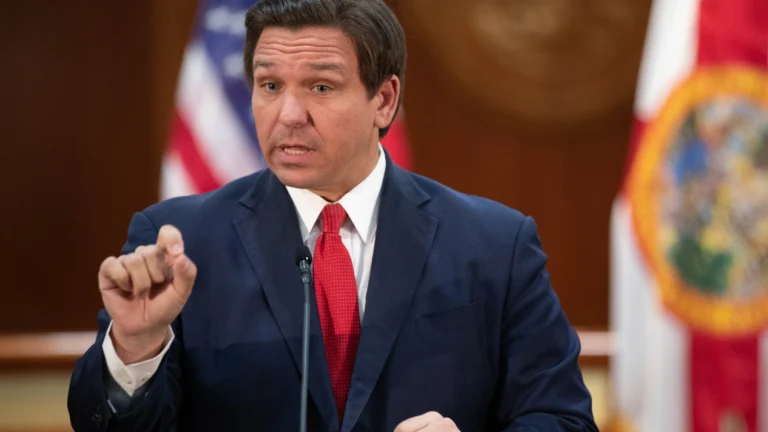
Governor Ron DeSantis recently unveiled the creation of the Department of Government Efficiency (DOGE) in Florida, mirroring a federal initiative by President Trump. This move raises critical questions: After two terms under DeSantis and decades of Republican dominance, is this an admission of their own inefficiency? Is the Governor now scrutinizing his administration’s spending practices?

A Pattern of Deflection

The establishment of DOGE appears to be a strategic deflection, diverting attention from the administration’s historical mismanagement. By launching an ‘efficiency’ department, DeSantis seems to acknowledge existing governmental shortcomings—shortcomings that have developed under his and his party’s prolonged leadership.

Impact on Vulnerable Floridians

Under DeSantis’ governance, several policies have adversely affected Florida’s most vulnerable populations:

  • Seniors and Social Services: Proposals aligning with Republican plans have threatened the stability of Medicare and Social Security, programs vital to 4.8 million Floridians. Such uncertainties jeopardize the well-being of seniors who rely on these benefits for essential needs. floridadems.org
  • Healthcare Access: Efforts to reduce funding for Medicaid and other health services have placed low-income and elderly residents at risk, potentially leading to increased healthcare disparities.

Economic Fragility

The state’s economic health has shown signs of fragility:

  • Budget Cuts: The “Focus on Fiscal Responsibility” budget proposes significant reductions, which may lead to decreased funding for essential public services, further straining resources for those in need. flgov.com
  • Job Security: Initiatives similar to DOGE at the federal level have resulted in substantial layoffs and operational disruptions. A comparable approach in Florida could lead to job losses and economic instability for state employees. apnews.com

Following a Controversial Playbook

DeSantis’ approach appears to emulate strategies employed by figures like Elon Musk, who, under the guise of ‘efficiency,’ have enacted policies leading to significant workforce reductions and disruptions in public services. This mimicry suggests a lack of original solutions and raises concerns about the administration’s commitment to genuine governance.

A Call to Action for Florida Voters

Floridians must critically assess the implications of these developments. The introduction of DOGE may serve as a diversion from the administration’s failures rather than a genuine effort to enhance governmental performance. It is imperative for voters to hold Governor DeSantis and his administration accountable, demanding transparency and policies that genuinely serve the public interest.

In conclusion, the creation of the Department of Government Efficiency under Governor DeSantis raises serious questions about the administration’s past performance and future intentions. Floridians deserve leadership that prioritizes effective governance over political maneuvering, ensuring the well-being of all residents, especially the most vulnerable.

Governor DeSantis Announces New Efficiency Department Amid Controversy

washingtontimes.com

Florida Gov. Ron DeSantis announces DOGE effort in Sunshine State

Today

Florida Gov. Ron DeSantis announces DOGE effort in Sunshine State

fox4now.comFLOGE? State lawmakers push to create ‘Florida DOGE’ inspired by …5 days agoflgov.comGovernor Ron DeSantis Appoints Five to the Government Efficiency Task …

Sources

Favicon
Favicon
Favicon

Assessing the Impact of President Trump’s Initial Actions: A Forewarning for America’s Future

In the first month of President Donald Trump’s second term, a series of rapid policy decisions have raised concerns about the long-term implications for American society. From significant federal workforce reductions to proposed cuts in social welfare programs, these actions prompt a critical examination of their potential effects on the nation’s future.

Federal Workforce Reductions and Their Implications

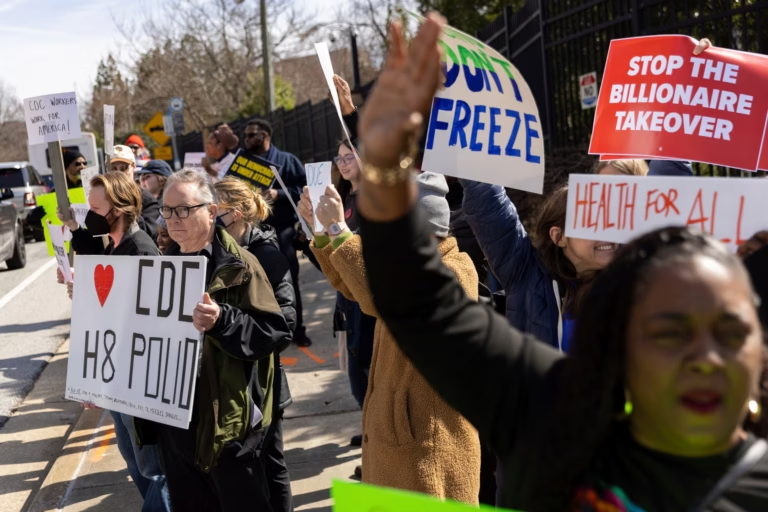
One of the administration’s immediate moves was the substantial downsizing of the federal workforce. Notably, health agencies such as the Centers for Disease Control and Prevention (CDC) experienced mass layoffs, with employees reporting abrupt terminations and a lack of clarity regarding their benefits. These actions have not only disrupted the lives of dedicated public servants but also raised concerns about the nation’s preparedness for health crises. The sudden loss of experienced personnel may lead to increased stress, depression, and anxiety among the affected workers, exacerbating the nation’s mental health challenges.

theguardian.com

Proposed Cuts to Social Welfare Programs

The administration has also signaled intentions to reduce funding for essential social welfare programs. Conflicting messages regarding Medicaid have emerged, with President Trump endorsing a House budget that includes significant cuts to the program, despite earlier assurances of its preservation. Such reductions could jeopardize healthcare access for millions of low-income Americans, including seniors, the disabled, and the poor, potentially destabilizing their already fragile financial situations.

politico.com

Long-Term Consequences

The immediate effects of these policies are evident, but the long-term ramifications warrant serious consideration:

  • Erosion of Public Trust: The dismantling of agencies like the U.S. Agency for International Development (USAID) reflects a shift away from collaborative global efforts, potentially diminishing America’s influence and moral leadership on the world stage. theatlantic.com
  • Economic Disparities: Reductions in social welfare programs may widen the gap between the affluent and the disadvantaged, leading to increased poverty rates and social unrest.
  • Mental Health Crisis: The stress and uncertainty resulting from job losses and reduced social support can contribute to a national mental health crisis, with long-term societal and economic costs.

A Call to Reflect

As the nation observes these developments, it is imperative to reflect on the trajectory set by the current administration. The consolidation of power, coupled with policies that marginalize vulnerable populations, raises questions about the preservation of democratic principles and the potential drift toward authoritarianism. The decisions made today will indelibly shape America’s social, economic, and political landscape for decades to come.

In conclusion, the initial actions of President Trump’s second term serve as a critical juncture for the nation. It is essential to engage in informed discourse, advocate for the protection of democratic institutions, and consider the long-term impacts of policies on all segments of society to ensure a resilient and equitable future for America.

Recent Developments in Federal Workforce and Social Programs

theguardian.com

‘I feel betrayed’: federal health workers fired by Trump tell of ‘nightmare’

Today

'I feel betrayed': federal health workers fired by Trump tell of 'nightmare'

politico.comTrump blindsides staff, Congress with conflicting Medicaid messagesYesterdaytheatlantic.comThe Trump World OrderToday

Sources

Favicon
Favicon
Favicon

Trump Administration’s Aviation Safety Under Scrutiny Amid Increased Incidents and FAA Firings

Recent statements from the Trump administration claim that aviation incidents have risen under the Biden administration. However, a closer examination of data from 2017 to 2021 reveals a different narrative, highlighting significant incidents during Trump’s tenure and concerning actions within the Federal Aviation Administration (FAA).

Aviation Incidents During the Trump Administration

According to the National Transportation Safety Board (NTSB), the year 2021 saw a total of 1,124 aviation accidents, with 202 being fatal. Notably, non-commercial fixed-wing aircraft accounted for 988 accidents, 179 of which were fatal. While these figures encompass various types of aviation, they underscore the persistent challenges in ensuring air travel safety.  

FAA Workforce Reductions

In addition to these incidents, the Trump administration initiated significant personnel changes within the FAA. Reports indicate that hundreds of FAA employees were terminated, raising concerns about potential impacts on air safety oversight. The Professional Aviation Safety Specialists (PASS) union expressed alarm over these actions, emphasizing that the terminations were executed without clear cause or performance-based justification.  

Accountability and Oversight

While the aviation industry faces inherent risks, the administration in power bears responsibility for maintaining rigorous safety standards and ensuring robust oversight. The Trump administration’s decisions, including workforce reductions within the FAA, have prompted scrutiny regarding their commitment to aviation safety. As investigations into recent incidents continue, it is imperative for the administration to address these concerns transparently and take corrective actions to uphold public trust in air travel safety.

In conclusion, the assertion that aviation incidents have increased under the Biden administration overlooks significant events and administrative decisions during the Trump era. A comprehensive review of aviation safety must consider the full spectrum of incidents and policy choices across administrations to ensure accountability and the continuous improvement of air travel safety standards.

Understanding Apartheid and Segregation: Historical Contexts and Contemporary Implications

Apartheid in South Africa and racial segregation in the United States represent two of the most egregious systems of institutionalized racial discrimination in modern history. While both sought to enforce racial hierarchies, their origins, implementations, and legacies exhibit distinct differences. In contemporary times, concerns have arisen regarding influential figures, such as Elon Musk, and their potential roles in perpetuating systemic inequalities.

Defining Apartheid and Segregation

Apartheid, derived from the Afrikaans word for “apartness,” was a legally enforced system in South Africa from 1948 to the early 1990s. It mandated racial segregation across all facets of life, including education, healthcare, and housing, to maintain white minority dominance. Non-white South Africans were systematically disenfranchised, dispossessed, and subjected to severe restrictions on movement and association. 

In contrast, racial segregation in the United States, particularly prominent from the late 19th century through the mid-20th century, was characterized by the “separate but equal” doctrine. Enforced through Jim Crow laws, this system relegated African Americans to inferior public facilities, schools, and services, predominantly in Southern states. While both systems enforced racial separation, apartheid was a nationwide policy in South Africa, whereas segregation in the U.S. varied by state and region.

Contemporary Reflections and Elon Musk’s Influence

Elon Musk, born in South Africa in 1971 during the apartheid era, emigrated to the United States as a teenager. His formative years in a racially stratified society have prompted discussions about how these experiences may influence his perspectives and business practices. Critics argue that Musk’s upbringing in an environment of systemic racial inequality could unconsciously inform his views on social and economic issues. 

Recent reports have highlighted Musk’s involvement in political discourse, particularly his support for policies that some perceive as favoring affluent individuals and corporations. For instance, Musk has expressed opposition to affirmative action laws, suggesting they impede merit-based progress. Such positions have raised concerns about the potential reinforcement of existing social disparities. 

Steps to Address Systemic Inequalities

To counteract potential influences that may perpetuate systemic inequalities, individuals and communities can consider the following actions:

1. Advocate for Inclusive Policies: Engage with policymakers to support legislation that promotes equity and addresses historical injustices. This includes backing affirmative action and diversity initiatives that aim to level the playing field.

2. Support Ethical Business Practices: Patronize companies that demonstrate a commitment to social responsibility, inclusivity, and equitable treatment of all employees.

3. Promote Media Literacy: Critically assess information sources and be wary of narratives that may perpetuate stereotypes or biases. Supporting independent journalism can provide more balanced perspectives.

4. Engage in Community Dialogue: Participate in discussions that foster understanding and collaboration across different racial and socioeconomic groups. Grassroots movements can be powerful catalysts for change.

5. Hold Leaders Accountable: Use civic channels to question and challenge public figures whose actions or policies may contribute to societal divisions or inequalities.

Conclusion

While apartheid and segregation are historical constructs, their legacies persist in various forms today. Awareness and proactive engagement are essential in challenging and dismantling systemic inequalities. By advocating for inclusive policies, supporting ethical practices, and fostering open dialogue, society can work towards a more equitable future.

America’s Global Standing Under President Donald Trump: Alliances, Isolation, and the Putin Enigma

Since assuming office, President Donald Trump’s foreign policy has marked a significant departure from traditional U.S. diplomacy, emphasizing an America First approach that has reshaped relationships with allies and adversaries alike. This strategy has led to strained alliances, a reevaluation of international commitments, and a complex relationship with Russian President Vladimir Putin.

Strained Alliances and NATO Relations

President Trump’s tenure has been characterized by a critical stance toward longstanding alliances, particularly the North Atlantic Treaty Organization (NATO). He has frequently questioned the financial contributions of member nations, suggesting that the U.S. bears an unfair burden in collective defense. This skepticism has led to tensions within the alliance, with some European leaders expressing concern over America’s commitment to mutual defense obligations.

In recent developments, the Trump administration has signaled a willingness to accept Russia’ s demand to keep Ukraine out of NATO, a move that has significant implications for European security dynamics. Defense Secretary Pete Hegseth has ruled out NATO membership for Ukraine and called the idea of Crimea returning to Ukraine un realistic further complicating the geopolitical landscape.

Relations with Canada and Other Allies

Beyond Europe, President Trump’s policies have also impacted relationships with neighboring allies such as Canada. Trade negotiations have been contentious, with the administration seeking to renegotiate agreements to favor American interests. These actions have sometimes been perceived as undermining the spirit of cooperation that has traditionally defined U.S.-Canada relations.

The Trump-Putin Dynamic

A particularly enigmatic aspect of President Trump’s foreign policy is his relationship with Russian President Vladimir Putin. Before his political career, Trump expressed admiration for Putin, praising his leadership qualities. During the 2016 presidential campaign, questions arose regarding potential connections between Trump’s team and Russian officials, leading to investigations into Russian interference in the election. 

Throughout his presidency, Trump has often been reluctant to criticize Putin, even in the face of actions that conflict with U.S. interests, such as Russia’s annexation of Crimea and its involvement in Syria. This reluctance has led to speculation about the nature of their relationship and whether Putin possesses leverage over Trump. However, concrete evidence supporting these claims has not been publicly substantiated.

Consequences of Isolationist Policies

The administration’s inclination toward unilateral action and skepticism of multilateral agreements have led to concerns about America’s role on the global stage. Critics argue that distancing the U.S. from international institutions and longstanding allies could diminish its influence and embolden adversaries. The recent acceptance of Russia’s stance on Ukraine’s, NATO membership, for instance, has been likened to historical appeasement, raising alarms about the potential erosion of international norms.

Looking Ahead

As the Trump administration continues to navigate complex international waters, the long-term implications of its foreign policy approach remain a subject of intense debate. Supporters argue that prioritizing national interests and demanding equitable contributions from allies are necessary corrections to outdated paradigms. Opponents, however, caution that such strategies risk isolating the U.S. and undermining the collaborative frameworks that have underpinned global stability since World War II.

Understanding the nuances of these policies and their historical contexts is crucial for assessing America’s future role in the world and the preservation of its strategic interests.

The Future of Social Security: Safeguarding Hard-Earned Benefits Amid Privatization Concerns

Social Security stands as a cornerstone of financial security for millions of Americans, providing essential support to retirees, disabled individuals, and survivors. However, recent developments have sparked concerns about the program’s future, particularly regarding potential privatization efforts and the involvement of influential figures like Elon Musk.

Elon Musk’s Involvement in Government Efficiency

In the early days of President Donald Trump’s administration, Elon Musk was appointed to lead the Department of Government Efficiency (DOGE), granting him access to critical components of the U.S. government’s payment systems, including those related to Social Security and Medicare. This move, aimed at reducing government waste, has led to significant upheaval within federal agencies. Key officials have clashed with Musk’s team over access to sensitive systems, resulting in retirements and system lockouts. Lawmakers have expressed concerns that Musk’s actions may serve self-interests rather than the public good, raising questions about the unprecedented control over government systems by an individual with major business interests.

Understanding Privatization and Its Implications

Privatization of Social Security involves shifting the management of funds from the federal government to private investment accounts. Proponents argue that this approach could yield higher returns for individuals. However, critics highlight significant risks:

Increased Financial Risk: Unlike the guaranteed benefits of the current system, privatized accounts would be subject to market fluctuations, potentially jeopardizing retirees financial stability.

Solvency Concerns: Diverting funds into private accounts could exacerbate Social Security’s funding challenges, accelerating the depletion of the trust fund.

Protecting Social Security: Steps for Concerned Citizens

To safeguard Social Security from potential privatization and ensure its longevity, Americans can take the following actions:

1. Stay Informed: Keep abreast of policy proposals and legislative changes affecting Social Security. Reliable sources include the Social Security Administration and reputable news outlets.

2. Engage with Representatives: Contact your congressional representatives to express concerns about privatization efforts. Advocating for policies that strengthen Social Security without compromising its foundational principles is crucial.

3. Support Sustainable Solutions: Back proposals that address Social Security’s solvency without resorting to privatization. For instance, adjusting the payroll tax cap to ensure higher earners contribute a fair share could bolster the program’s financial health.

4. Participate in Public Discourse: Join community forums, attend town hall meetings, and engage in discussions to raise awareness about the importance of preserving Social Security.

Conclusion

While efforts to enhance government efficiency are commendable, it’s imperative to approach reforms to Social Security with caution. The program’s success lies in its ability to provide reliable support to Americans, regardless of economic conditions. By staying informed, engaging with policymakers, and advocating for responsible solutions, citizens can play a pivotal role in ensuring that Social Security remains a robust and dependable safety net for future generations.

America’s Democracy Under Siege: A Warning from the Trump Era

In recent years, a growing chorus of voices has warned that the United States a nation long celebrated for its democratic traditions—

is experiencing a dangerous shift. Under the current regime led by President Donald Trump, many observers argue that the country’s cherished system of checks and balances is rapidly eroding. With influential billionaire Elon Musk allegedly stepping into the political arena, our institutions are being dismantled piece by piece, and silence from key Republican figures only deepens the concern.

The Slow Erosion of Democratic Institutions

For decades, American democracy has thrived on a delicate balance of powers between the executive, legislative, and judicial branches. However, many critics contend that under Trump’s leadership, executive authority has surged unchecked. A relentless stream of executive orders and rapid-fire policy shifts have left many wondering if the very framework of our government is being sacrificed on the altar of expediency. As institutions that once acted as buffers against tyranny show signs of strain, the fundamental principles of American democracy appear to be under threat.

Republican Complicity and the Shifting Balance of Power

Perhaps more disconcerting is the muted response from within the Republican Party. Traditionally seen as stewards of constitutional conservatism, many GOP leaders have, in this turbulent period, chosen silence or even active complicity. Notably, the Speaker of the House has been criticized for seemingly abdicating his responsibility, instead transferring critical authority directly to the president. This alarming trend—where established checks are bypassed—raises questions about the party’s commitment to the very democratic values it once championed.

Billionaire Influence: Elon Musk’s Unwelcome Interference

Adding another layer to the crisis is the role played by multi-billionaire Elon Musk. Although known primarily for his ventures in technology and space exploration, Musk’s recent forays into the political realm have sparked controversy. Allegations suggest that his behind-the-scenes interventions are contributing to a dangerous concentration of power, as decisions affecting public policy seem increasingly dictated by the interests of the wealthy elite rather than the collective will of the people. Such interference threatens to undermine the democratic ideal that no single individual—or small group—should hold sway over the fate of a nation.

Project 2025: A Blueprint for Authoritarianism?

Among the most alarming developments is the emergence of what critics are calling “Project 2025.” According to these accounts, this initiative is not just a policy plan but a systematic effort to reshape American governance along autocratic lines. Under Project 2025, dissent is not tolerated. There are reports that members of Congress have been literally locked out of the Department of Education, and federal employees—from FBI agents to public service workers—face threats to their jobs if they question or oppose the new direction. This chilling environment, where anyone disagreeing with Trump’s policies is branded an enemy of the state, bears disturbing resemblances to the tactics employed by historical dictators to consolidate power.

A Dire Call to Action

History is replete with examples of how unchecked authority can pave the way for dictatorship. When democratic institutions begin to crumble, it is not long before the freedoms so dearly won are stripped away. The current trajectory, marked by the consolidation of power by President Trump and the influential involvement of figures like Elon Musk, should serve as a stark warning. It is incumbent upon all Americans—regardless of party affiliation—to recognize these troubling patterns and demand accountability, transparency, and a reaffirmation of our democratic values.

The erosion of our democratic system is not a distant possibility but a present danger. The silence and inaction of key power brokers, coupled with the deliberate sidelining of dissenting voices, suggest that we are at a critical juncture. The future of the republic, and the very ideals it was founded upon, are at risk. Now is the time for citizens, lawmakers, and institutions alike to stand together and protect the democratic framework that has long served as the bedrock of American life.

The views expressed in this article represent a critical perspective on recent political developments. Readers are encouraged to seek additional sources and viewpoints to form a well-rounded understanding of these complex issues.

President Trump’s Response to the Tragic Mid-Air Collision: Assigning Blame and Freezing Federal Funding

On January 29, 2025, a devastating mid-air collision occurred near Washington, D.C., involving an American Airlines regional jet and a U.S. Army Black Hawk helicopter. The accident resulted in the loss of all 67 individuals on board both aircraft, marking one of the deadliest aviation incidents in recent U.S. history.

theguardian.com

In a press conference held on January 30, President Donald Trump addressed the nation, expressing condolences to the victims’ families and holding a moment of silence. However, the President swiftly shifted focus, attributing the tragedy to diversity, equity, and inclusion (DEI) policies implemented during previous administrations. He criticized the Federal Aviation Administration (FAA) for prioritizing DEI over merit-based hiring, suggesting that such practices compromised safety standards.

people.com

President Trump stated, “The FAA’s focus on diversity over competence has led to this disaster. We need the best, not the most diverse.” He further announced an immediate freeze on federal funding for DEI programs within federal agencies, asserting that these initiatives detract from core responsibilities and compromise operational effectiveness.

whitehouse.gov

This move has sparked significant debate. Critics argue that the President’s actions are premature, given that investigations by the National Transportation Safety Board (NTSB) and the FAA are still underway to determine the exact cause of the collision. They contend that attributing blame without concrete evidence is irresponsible and diverts attention from systemic issues that may need addressing.

theguardian.com

Moreover, the President’s decision to halt DEI funding has raised concerns about the potential rollback of efforts aimed at promoting inclusivity and equal opportunity within federal institutions. Advocates for DEI emphasize that such programs are essential for creating a workforce that reflects the nation’s diversity and for addressing historical inequities.

The President’s Role and Accountability

The President of the United States holds the highest executive authority in the nation, responsible for enforcing laws, overseeing federal agencies, and ensuring the safety and well-being of all citizens. This role includes responding to national crises, guiding public policy, and upholding the principles of the Constitution.

In times of tragedy, it is incumbent upon the President to provide leadership, offer solace, and take decisive action to prevent future occurrences. Assigning blame to previous administrations or policies without substantiated evidence can undermine public trust and detract from the administration’s accountability.

As the current officeholder, President Trump bears the responsibility for the actions and policies of the federal government. It is essential for the administration to await the outcomes of thorough investigations before implementing policy changes or attributing fault. Taking accountability involves not only addressing immediate concerns but also engaging in introspection to understand how current practices may be improved to safeguard against future tragedies.

Conclusion

The recent aviation disaster has prompted a complex discussion about the balance between diversity initiatives and merit-based practices within federal agencies. While it is crucial to ensure that all personnel are highly qualified, it is equally important to recognize the value of diverse perspectives in enhancing organizational effectiveness.

As investigations continue, it is imperative for the administration to approach the situation with humility, patience, and a commitment to evidence-based decision-making. The nation looks to its leaders not only for immediate answers but also for a thoughtful and measured response that prioritizes the collective good.

Trump’s Response to DC Plane Crash Sparks Debate

people.com

President Trump Blames DEI for American Airlines Crash, Citing His Own ‘Common Sense’ and Scolding CNN’s Kaitlan Collins

Today

President Trump Blames DEI for American Airlines Crash, Citing His Own 'Common Sense' and Scolding CNN's Kaitlan Collins

theguardian.comWashington DC plane crash: Trump blames diversity policies and ‘confluence of bad decisions’ as officials say no survivors – latestTodayvanityfair.comDC Plane Crash Is a True Test of Donald Trump’s Leadership. He’s Off to …

PNFPB Install PWA using share icon

For IOS and IPAD browsers, Install PWA using add to home screen in ios safari browser or add to dock option in macos safari browser

New Report

Close