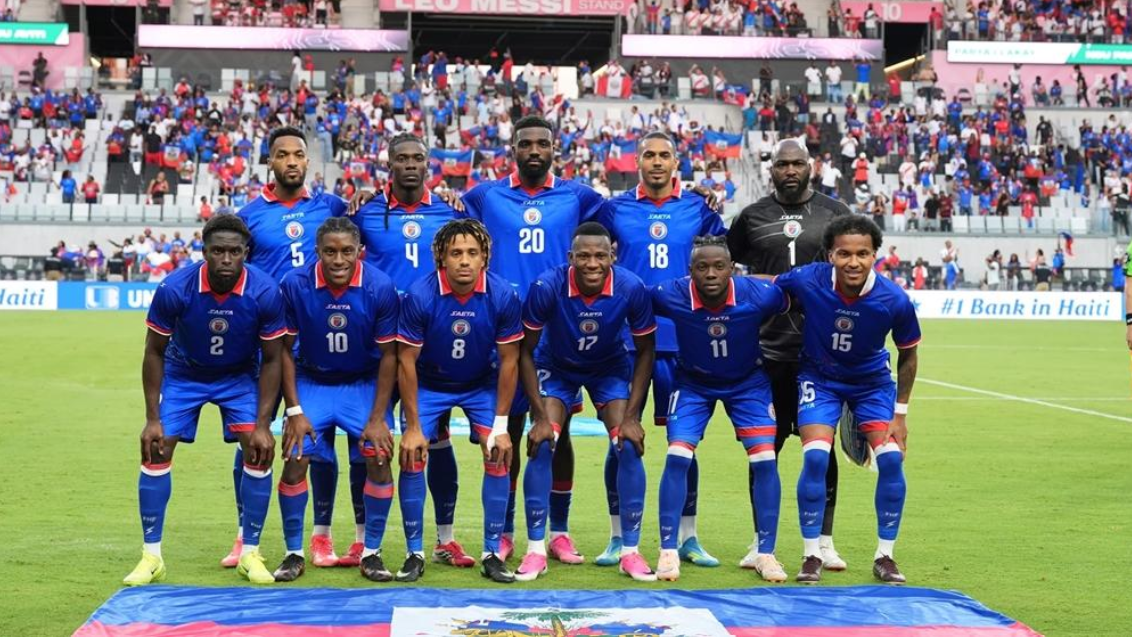
For generations, Haitian football fans have dreamed of seeing the Grenadiers compete on the world’s biggest stage. That dream became a reality once again when Haiti qualified for the 2026 FIFA World Cup, marking the nation’s return to the tournament for the first time since 1974.
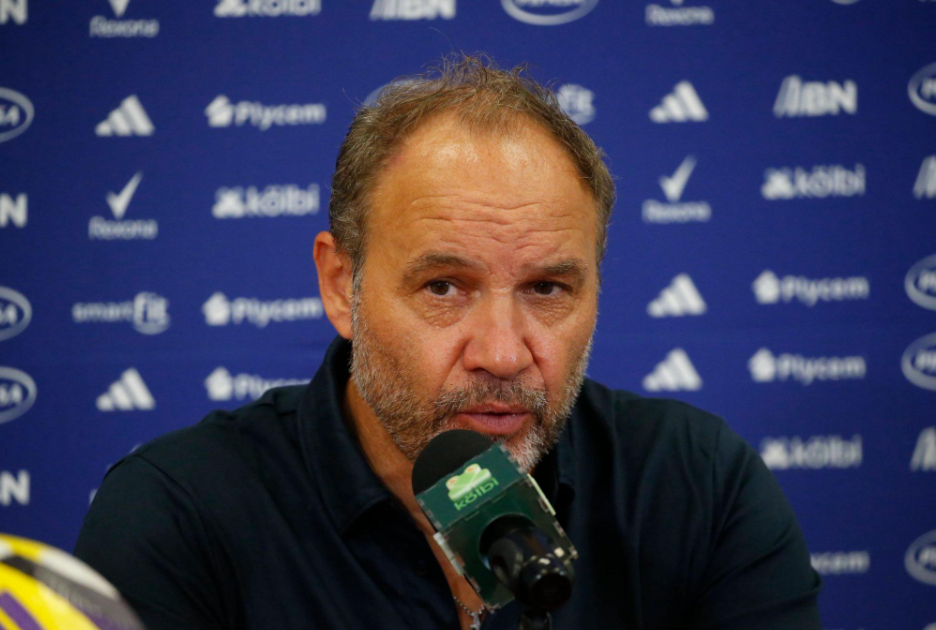
At the center of this historic achievement stands Haiti’s head coach, Sébastien Migné, a French football manager whose leadership, discipline, and commitment helped guide the Grenadiers through one of the most important chapters in Haitian football history.
A Historic Achievement
Qualifying for the World Cup is never easy. It requires vision, organization, preparation, and the ability to bring together talented players from different clubs, countries, and backgrounds into one united team.
Coach Migné inherited a program filled with talent but also faced challenges that many football nations never experience. Haiti has endured political instability, economic difficulties, limited football infrastructure, and logistical obstacles that often make preparation more difficult than for many competing nations.
Despite these challenges, Coach Migné and his staff focused on building a disciplined squad, developing team chemistry, improving tactical awareness, and preparing players mentally and physically for international competition.
The result was historic: Haiti earned its place among the world’s best nations and once again gave the Haitian people a reason to celebrate.
The Coach’s Background
Before arriving in Haiti, Sébastien Migné built an extensive coaching career across Africa and Europe. He gained experience leading national teams and working with players from diverse cultures and backgrounds.
His international experience helped him understand how to build competitive teams under difficult circumstances. More importantly, he brought professionalism, structure, and a belief that Haiti could compete with stronger football nations.
Many players have credited the coaching staff for creating an environment that demanded accountability while also encouraging confidence and national pride.
The Mixed Reactions of Haitian Fans
As with any national team coach, opinions among supporters vary.
Some Haitian fans have expressed frustration with certain tactical decisions, player selections, substitutions, and match results. Following difficult performances and losses against top-level opponents, some supporters have openly called for change and even requested the coach’s resignation.
Such criticism is common in football. Passionate fans expect excellence, and when expectations are high, emotions often run even higher.
However, there is another perspective shared by many Haitians both at home and throughout the diaspora.
Many supporters recognize that Coach Migné accomplished something extraordinary by helping Haiti qualify for the World Cup. They understand the magnitude of returning to the world’s biggest football competition after more than five decades.
For these supporters, the achievement itself deserves recognition and respect.
What It Takes to Build a World Cup Team
Success at the international level does not happen overnight.
Preparing a World Cup team requires:
- Identifying and recruiting talented players.
- Building chemistry among athletes playing in different leagues around the world.
- Implementing effective tactical systems.
- Maintaining physical fitness and conditioning.
- Studying opponents and adjusting strategies.
- Developing mental toughness under pressure.
- Creating a culture of accountability and teamwork.
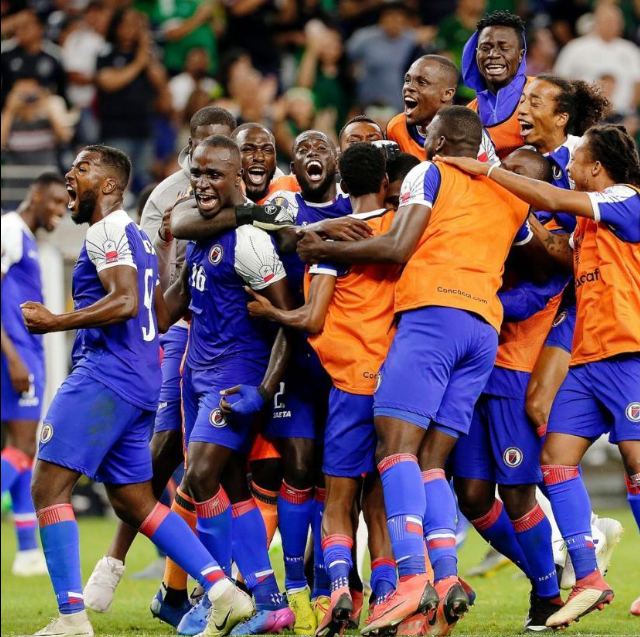
The Haitian players have repeatedly demonstrated their commitment to representing the blue and red flag with pride. Their work ethic, dedication, and sacrifices, combined with the leadership of the coaching staff, helped make World Cup qualification possible.
Looking Toward 2030
For many Haitians, the journey does not end with the 2026 World Cup.
The dream is bigger.
The dream is to establish Haiti as a consistent football power in the CONCACAF region and to return to the World Cup again in 2030.
Many supporters believe continuity is important. They want the coaching staff, players, federation, and supporters to continue building on the foundation that has already been established.
They understand that long-term success requires patience, development, youth investment, and stability.
The goal is not simply to qualify once.
The goal is to qualify again.
And again.
And eventually compete with the world’s elite nations.
The Dream of a Nation
Football is more than a game in Haiti.
It is hope.
It is pride.
It is unity.
It is one of the few things that can bring together Haitians from every corner of the globe.
Today, millions of Haitians continue to support the Grenadiers. They celebrate the players who wear the national colors and the coaches who dedicate themselves to helping the team succeed.
While debates about tactics and coaching decisions will always exist, one thing remains clear: Haiti’s return to the World Cup has reignited the dreams of an entire nation.
To Coach Sébastien Migné, the players, and everyone involved with the Grenadiers, thank you for making history.
And as a people, we continue to dream.
We dream of 2030.
We dream of future victories.
We dream of seeing Haiti become a football nation that the entire world must respect.
Alaso!
Vive Haïti!
Vive les Grenadiers!
About The Author